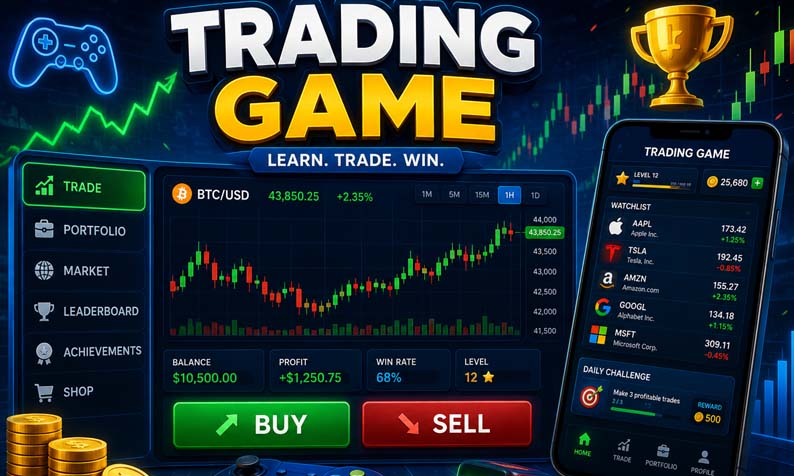
The insider trading game is a platform that helps investors track legal insider buying and selling based on publicly available regulatory filings. It organizes insider transaction data into an easy-to-understand format, making it simpler to research company executives’ trading activity and identify potential investment insights.
What Is an Insider Trading Game?
An insider trading game is designed to simplify stock market research by collecting and presenting legal insider trading information. Company executives, directors, and major shareholders must disclose many of their stock transactions to regulators. The platform gathers these filings and displays them with useful filters, charts, and historical records.
Instead of searching through multiple regulatory documents, investors can review insider purchases, sales, ownership changes, and transaction history in one place. This saves time while improving research efficiency.
How Does It Support Stock Market Research?
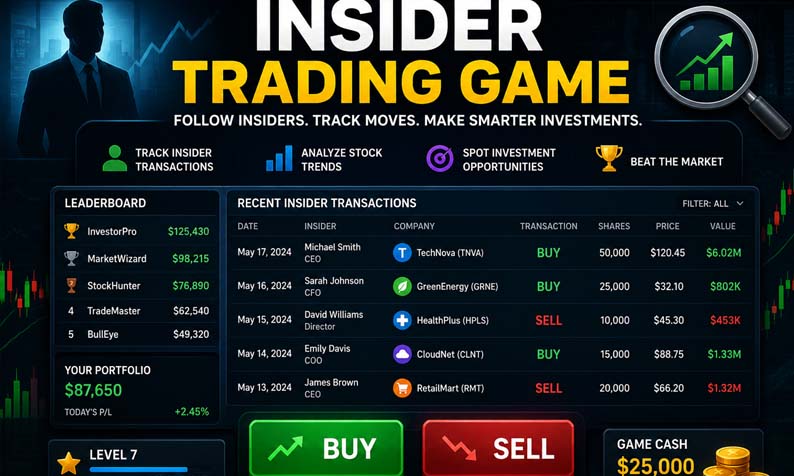
The insider trading game allows users to compare insider activity across different companies and industries. Investors often pay attention to trends rather than a single transaction. For example, multiple executives purchasing shares around the same period may attract attention because it could reflect confidence in the company’s future.
At the same time, insider sales should be interpreted carefully. Executives may sell shares for personal financial planning, tax obligations, or diversification instead of negative expectations.
Understanding the rules for insider reporting also helps investors interpret the data more accurately. Since insider transactions are publicly disclosed, they can serve as one piece of information within a broader investment research process.
What Information Can You Find?
Most insider trading research platforms include several useful features that help investors evaluate trading activity more effectively:
- Recent insider purchases and sales
- Transaction dates and share prices
- Executive positions and ownership levels
- Historical trading records
- Company market data alongside insider activity
- Search and filtering tools for specific stocks or sectors
Looking at these details together provides more context than focusing on one isolated trade. Investors often combine insider activity with earnings reports, valuation metrics, financial statements, and industry trends before making investment decisions.
What Are the Benefits and Limitations?
The biggest advantage of using an insider trading game is convenience. It converts complex regulatory filings into a searchable database that supports faster analysis. This makes it useful for both experienced investors and beginners who want to include insider activity in their research process.
However, insider transactions should never be viewed as standalone buy or sell signals. A single trade rarely tells the complete story about a company’s outlook. Business performance, competitive conditions, economic trends, and financial results remain equally important factors.
Using insider trading information as one part of a broader research strategy can help investors build a more balanced understanding of a stock before making investment decisions.
Conclusion
The insider trading game helps investors monitor legal insider transactions through organized public data. While it can reveal valuable patterns, the best results come from combining insider activity with fundamental analysis, company news, and overall market conditions.
Read about Blockchain Technology?
FAQs
What is an insider trading game?
It is a research tool that organizes publicly disclosed insider trading data to help investors analyze company insiders’ stock transactions.
Is insider trading always illegal?
No. Legal insider trading occurs when company insiders report eligible transactions according to regulatory requirements.
Can insider buying predict stock performance?
Not always. Insider purchases may provide useful signals, but they should be evaluated alongside financial and market analysis.
Where does insider trading data come from?
Most platforms obtain information from official regulatory filings submitted by company insiders.
About the Author